
Introduction: Why the Right Cooling Appliance Matters
Warm Chardonnay is a crime. So is handing guests a “beer” that’s basically slush because your garage fridge swings from 28°F to 45°F every time the door opens.
People keep buying the wrong box because the names sound interchangeable. They aren’t. Wine wants steady, gentle cold and a bit of humidity. Soda and beer want colder air, fast recovery, and shelves that don’t hate cans. Food wants safety first—below 40°F, with space for leftovers, produce, and raw meat that can’t share temperature compromises.
Pick the wrong unit and you’ll taste it. And you’ll pay for it twice.
That’s why builders, owners, and backyard types need to know what each appliance is made for.
Understanding the Core Purpose of Each Appliance
What Is a Wine Cooler Designed to Do?
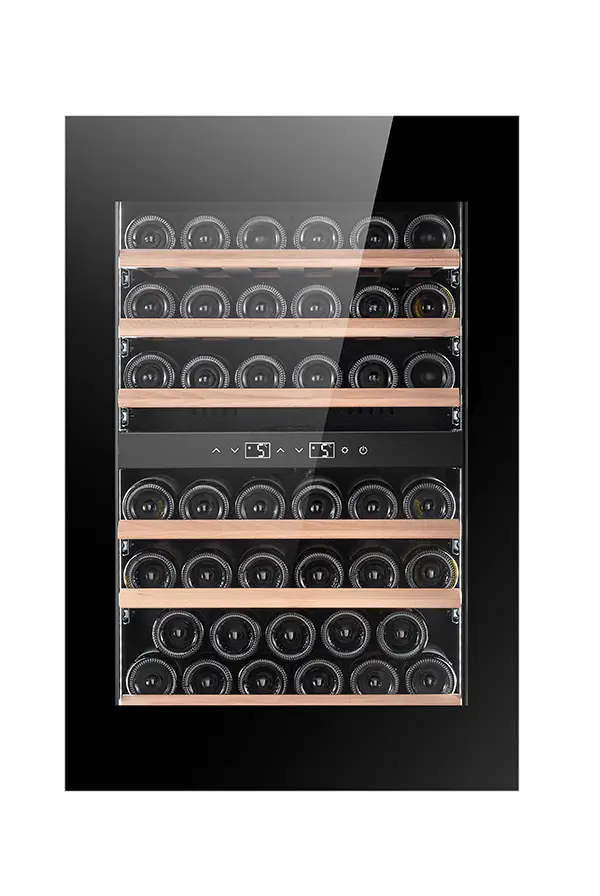
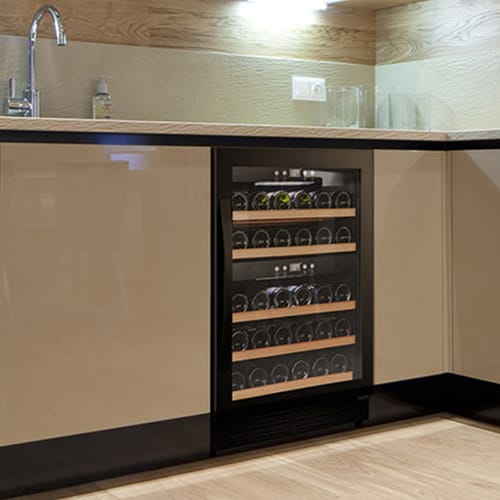
Wine is fussy. It doesn’t want “cold.” It wants boring. Think 55°F storage, small swings, and humidity that keeps corks from drying out and shrinking. A wine cooler is built for stability: steady cooling, minimal vibration, and racks that cradle bottles so they don’t rattle.
Light matters too. UV is not a tasting note. That’s why you’ll see tinted glass, doors, and LED lighting that won’t cook your Cabernet. And the shelving? It’s sized for 750ml bottles, not last night’s pizza box.
What Is a Beverage Center Designed to Do?
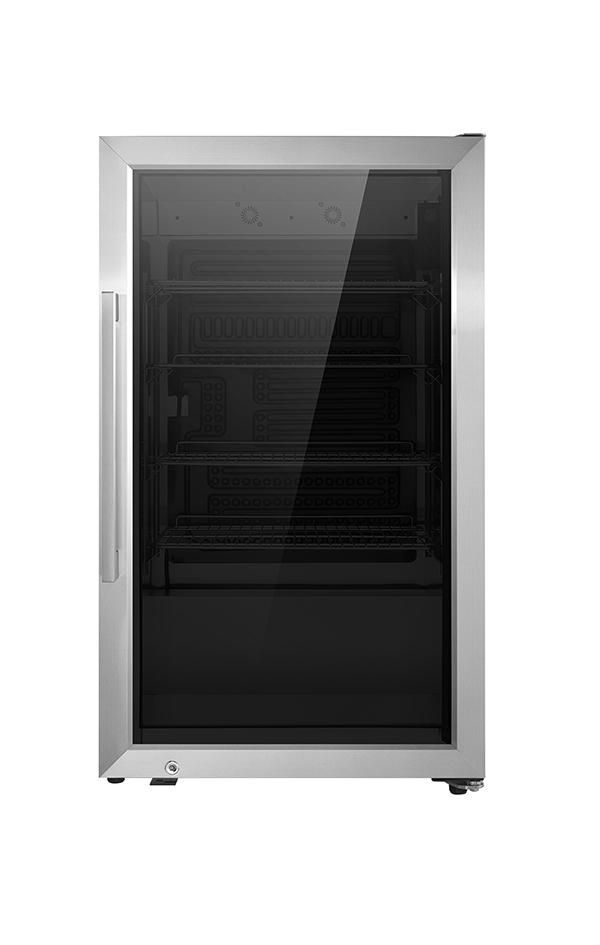
A beverage center is built for speed. It gets drinks cold and keeps up with traffic—kids, guests, whoever keeps yanking the door open. Most beverage units run colder than wine units, because beer, soda, and sparkling water taste best crisp, not “cellar temp.”
Inside, it’s shelves and bins, not bottle cradles. You need room for tall cans, stubby bottles, mixers, and that awkward 2‑liter. The good ones rearrange fast, because your drink lineup changes weekly often.
What Is a Standard Refrigerator Designed to Do?
Your standard refrigerator is a food-safety machine with a side hustle in drinks. It’s engineered to hold the fresh compartment around 37–40°F, move heat out fast after you load groceries, and keep veggies from turning into limp sadness. Many have a freezer doing its own subzero job, so airflow and defrost cycles are designed for that system.
But fridges aren’t gentle. They cycle hard, they get opened a lot, and the interior is shaped for containers, not collections. Great for leftovers and trays. Not great for long-term wine, unless you enjoy roulette with corks and flavor.
Wine Cooler vs Beverage Cooler: Where Do the Differences Matter Most?
Temperature Requirements and Performance
Wine storage is about not messing it up. Most collectors aim around 55°F for aging, then nudge whites colder and reds warmer for serving. The bigger point: tight control. A unit that drifts 6 degrees every hour is a headache.
Beverage cooling is blunt-force comfort. Beer and soda live happily in the mid‑30s°F, and you want quick recovery after the door’s been opened ten times during a game. That means stronger airflow, more frequent cycling, and usually higher power draw when the door keeps slamming, especially in an outdoor setup.
Interior Design and User Experience
Then there’s the inside. Wine racks are usually fixed or semi-fixed, shaped for bottles, and spaced so labels face forward. Nice for a collection. Annoying for cans.
Beverage centers go the other way: flat shelves, sometimes pull-out, often adjustable. You can stack 12‑packs, stand up tall bottles, or line up mixers by the door for grab-and-go. Glass doors and lighting are about showing off, but the real win is access—one hand, one drink, no bottle gymnastics. If you entertain a lot, that convenience beats perfect bottle spacing every single weekend.
Wine Cooler vs Fridge: Can a Wine Cooler Be Used as a Fridge?
Understanding the Limitations of Wine Coolers
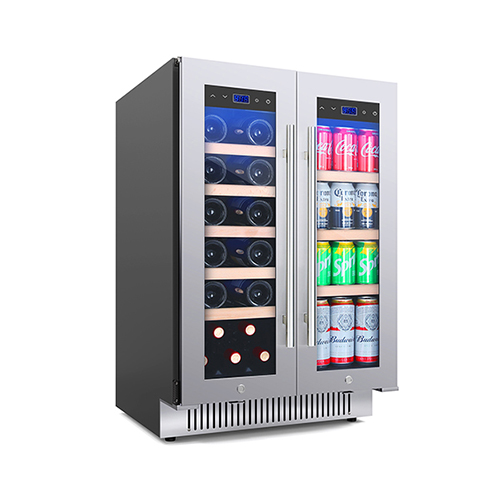
A wine cooler usually won’t hit the cold, steady range that food safety expects. Many units bottom out around the mid‑40s°F, because wine doesn’t need 37°F and corks hate desert-dry air. Put milk in there and you’re gambling with bacteria. Same story for raw meat, leftovers, and anything that’s supposed to live under 40°F.
Layout is another snag. Racks eat vertical space, and wide bottles steal the spots where you’d normally park a casserole dish. And while wine units aim for gentle airflow, food likes even, aggressive circulation—especially in a packed box.
Situations Where a Wine Cooler May Serve Alternative Purposes
Still, a wine cooler can moonlight. Set it colder and it’s great for sparkling water, craft beer you don’t want frozen, or fancy mixers that deserve their own spot. In hospitality, it becomes a dedicated bar station—freeing the main fridge for food and prep. At home, it’s for parties too.
Choosing the Right Solution for Residential and Commercial Projects
Matching Equipment to the Environment
Indoor kitchens are easy mode. You’re dealing with controlled room temps, clean air, and predictable use. Built-in units still need breathing room—front-vented models for tight cabinetry, plus clearance so the door swings clean.
Retail and hotel spaces care about what customers see. Glass, lighting, and tidy rows matter because nobody buys from a sad-looking cooler. But don’t ignore service access; if the condenser is buried behind millwork, maintenance turns into a 2 AM crisis call.
Outdoor entertainment areas are where cheap units die. Heat, humidity, salty coastal air, and pollen-clogged grilles punish compressors.
Wine Fridge vs Beverage Fridge: How Professional Buyers Evaluate Options
Professional buyers don’t just ask “How many cans?” They ask what fails first. Door gaskets. Hinges. Fans. Control boards baked by high ambient heat. They also want paperwork: UL or ETL for the U.S., CE for Europe.
This is where SUNNAI fits OEM programs for outdoor refrigeration. Their Sino‑German engineering angle isn’t marketing—it’s test discipline and cabinets meant for patios, pool decks, and busy bars. For distributors, retailers, hospitality suppliers, and contractors, the ODM side can handle sizing, finishes, and branding without redesigning the cooling guts.
Conclusion: Selecting the Best Cooling Appliance for Your Needs
Wine coolers are for stability and bottle care. Beverage centers are for cold drinks and grabbing. Refrigerators are for food safety and everything else. Decide what you’re storing, where the unit will live, and how often it’ll be opened. If your project goes outdoors, buy outdoor-rated equipment—or plan on replacing it.
FAQ
What is the ideal beverage fridge temperature?
Most people like 34–38°F for soda and beer. Colder risks freezing cans near the back wall overnight sometimes.
Can a wine cooler be used as a fridge for food storage?
Not reliable for food safety. If it cannot consistently hold safe refrigeration temperatures, it should not be used for dairy, meat, or ready-to-eat storage.
Is a wine fridge colder than a beverage fridge?
Usually no. Beverage fridges are built to run colder than wine units, full stop.
What is the difference between a wine cooler and a refrigerator?
A fridge chases food safety with strong cooling and defrost cycles. A wine cooler chases steady temps and low vibration for bottles.
Can beer be stored in a wine cooler?
Yes, if you set it cold enough and you’re drinking it soon. Skip long warm storage.