

Introduction: Why Under Counter Wine Fridges Are Becoming the Preferred Choice
Most people shop for a wine fridge like they’re buying a microwave: “How many bottles?” “Is it stainless?” “Does it have blue lights?” And then they wonder why it runs hot, rattles, dries corks, or dies early.
Under counter wine fridges are taking over because they behave like a real appliance—built into the room, always within reach, not squatting in a corner like a dorm mini-fridge. Kitchens, wet bars, tasting rooms, hotel suites, even outdoor prep areas… this stuff used to be “nice-to-have.” Now it’s standard in any space that gets used a lot.
But choosing the right unit takes more than bottle count. A “46-bottle” cooler that only fits 32 bottles once you mix in Champagne, Burgundy, and a few random fat-shouldered reds is not a 46-bottle cooler. And a freestanding model jammed under a counter is basically a slow-cooked compressor.
So let’s talk about what actually matters before you spend real money.
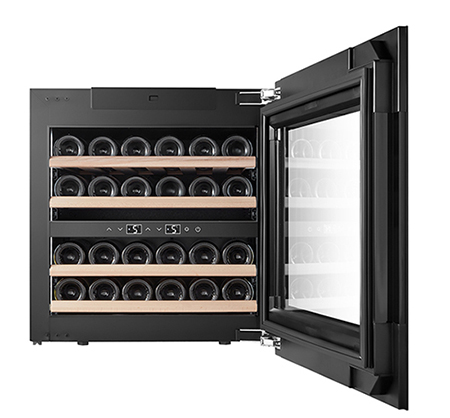
What Defines the Best Under Counter Wine Fridge?
Built-In Design vs. Freestanding Wine Coolers
Ventilation is the dividing line. Built-in (true under-counter) wine fridges are front-venting, meaning they pull air in and push heat out through the toe-kick area. That’s why they can live inside cabinetry without cooking themselves.
Freestanding units usually vent from the back or sides. Shove one into a tight cabinet opening and you trap the heat it’s trying to dump—so the unit runs longer, gets louder, struggles to hold temp, and wears out faster. Not dramatic. Just physics.
There’s also the “fit and finish” reality. A proper under counter unit sits flush, looks intentional, and doesn’t steal floor space. In a kitchen or a bar where every inch has a job, that matters. And yes, it can bump perceived property value because it reads like a built-in upgrade, not a gadget you bought on sale.
Why Size Matters More Than Most Buyers Realize
The best 24 inch wine fridge isn’t popular because the wine industry held a meeting and voted. It’s popular because cabinets did.
Twenty-four inches is the standard width for lots of built-in appliances (dishwashers, beverage centers, compact fridges), which makes a 24″ opening easy to plan in new builds and remodels. Designers like predictable. Installers like predictable. Homeowners like not having to rebuild cabinets because their “great deal” fridge is 23.4″ wide and somehow still doesn’t fit.
Now, capacity. Here’s the annoying truth: bottle counts assume uniform 750ml Bordeaux-style bottles stored like obedient little clones. Real collections are messy—Champagne, Pinot bottles, magnums, odd imports. Shelf layout controls what you can actually store, not the marketing number. Look for shelves that slide smoothly, don’t flex, and can be adjusted or partially removed without turning the interior into a game of Tetris.
And plan ahead. People almost always outgrow their first wine fridge. If you’re buying under counter, you’re probably committing to cabinetry and a “this is staying here” install. Give yourself room for growth so you’re not shopping again in two years, muttering at your past self.
Key Features Found in the Best Wine Coolers
Temperature Control and Preservation Technology
A wine fridge’s whole job is boring consistency. Not “cold.” Consistent.
Precision matters because wine hates swings—warm during dinner prep, cold overnight, warm again when the kitchen heats up. Better units hold a steady set point without big jumps, and they recover quickly after the door opens (which, in real life, happens constantly).
Single-zone vs. dual-zone is about your drinking habits. If you mostly drink one style, single-zone is simpler and often more stable. If you keep reds and whites ready to serve, dual-zone makes sense—top zone a bit warmer, bottom a bit cooler. Just don’t expect miracles: a dual-zone under counter unit is still one box in one room. If your kitchen hits 85°F during a party, that compressor is working overtime.
Controls matter too. Digital thermostats and clear displays aren’t about looking fancy—they’re about dialing in a temp you can repeat, and noticing problems early. Some units add app alerts. Useful? Sometimes. Necessary? Not really. Reliability beats phone features every day of the week.
Protection Features Beyond Cooling
Cooling is only half the story. Wine also hates light, vibration, and dry air.
- UV-resistant glass doors help limit light exposure, especially in bright kitchens and bar areas where the unit gets hit by daylight and overhead lighting.
- Low-vibration operation protects sediment in older reds and keeps aging calmer. If your fridge buzzes like an angry HVAC vent, your bottles aren’t loving it.
- Humidity management helps corks stay healthy. Too dry and corks shrink, letting oxygen sneak in. Too wet and you get moldy labels and that damp-basement vibe.
These aren’t “premium extras.” They’re the difference between “this holds bottles” and “this actually stores wine.”
Best Small Wine Fridge Considerations for Compact Spaces
A best small wine fridge has one job: make limited space feel intentional.
Apartments, condos, and tight home bars don’t need a monster unit. They need smart placement (end of an island, under a bar counter, next to a beverage fridge) and decent efficiency so you’re not running a loud heat machine in a small room.
Small units also shine as secondary storage: one fridge for ready-to-drink whites and sparkling at serving temps, another place (cellar, closet rack, larger cooler) for the deeper stash. That setup is practical—and it keeps you from cramming every bottle you own into one overworked box.
Best 24 Inch Undercounter Wine Cooler Solutions for Residential and Commercial Projects
Evaluating Wine Fridges from a Professional Buyer’s Perspective
If you’re buying for a home, you care about noise, looks, and whether it holds temp. If you’re buying for hospitality or projects, you care about the stuff that gets ugly later: failures, parts, service, and downtime.
A professional buyer’s checklist looks more like this:
- Reliability and lifespan: compressor quality, fan design, and how hard the unit has to work in real ambient conditions.
- Total cost of ownership: energy use, service calls, and how quickly you can get replacement parts.
- Certifications and compliance: safety standards and market requirements (which vary by region).
- Supplier support: warranty handling, parts availability, consistent production, and whether the manufacturer can support long runs without random spec changes.
- OEM/ODM flexibility: if you’re a brand, distributor, or project supplier, you may need custom finishes, handle options, control panels, packaging, or interior configurations that match your channel.
This is where “cheap” units get expensive. When a hotel has three dead wine coolers on a Friday and guests are annoyed, nobody cares that you saved $120 per unit.
Best 24 Inch Undercounter Wine Cooler for Outdoor Entertainment Spaces
Outdoor installs are where indoor fridges go to die.
Heat, humidity, temperature swings, grease in the air from grills, and occasional moisture exposure all stack the deck against standard under counter wine fridges. The unit has to reject heat into warmer air, and it can’t rely on a stable indoor environment to coast.
Outdoor-rated refrigeration typically brings:
- tougher construction (often higher-grade stainless),
- better sealing and insulation,
- components chosen to tolerate harsher ambient conditions,
- cooling systems that can keep up when the patio feels like a sauna.
So yes, you can put wine storage outdoors—but the unit needs to be built for it, and the install has to respect clearance, airflow, and electrical requirements.
As for SUNNAI: their positioning is centered on Sino-German engineering and manufacturing capacity aimed at brands and project buyers—distributors, retailers, hospitality suppliers—who need consistent refrigeration performance and support across indoor and outdoor installations. The practical takeaway is simple: if you’re sourcing at scale or building a product line, you want a manufacturer that can deliver repeatable quality, documentation, and after-sales support, not just a one-off SKU that looks good in a catalog.
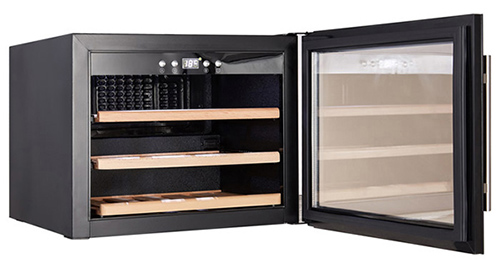
Common Mistakes to Avoid When Buying an Under Counter Wine Fridge
Choosing Based Solely on Capacity
Capacity numbers are a trap. Shelf geometry is reality.
If the shelves are tight, fixed, or poorly spaced, your “big” fridge becomes a standard-bottle-only locker. The moment you add Champagne, Burgundy, or a few larger bottles, your usable capacity drops fast. And then people start storing bottles sideways on top of each other like it’s a laundry basket. Not great.
Also: people underestimate growth. If you buy wine even semi-regularly—clubs, case discounts, travel finds—you’ll fill the fridge faster than you think.
Overlooking Installation Requirements
Bad installs kill good units.
The usual mistakes:
- ignoring ventilation clearances,
- stuffing the unit into a too-tight opening,
- placing it next to a heat source (oven, dishwasher exhaust path, direct sun),
- skipping proper electrical planning.
Ambient temperature matters, especially in garages, pool houses, and outdoor kitchens. If the area runs hot, the fridge works harder, gets louder, and may struggle to hold set temps. And focusing only on sticker price is how people end up paying twice—once at purchase, again in repairs and replacement.
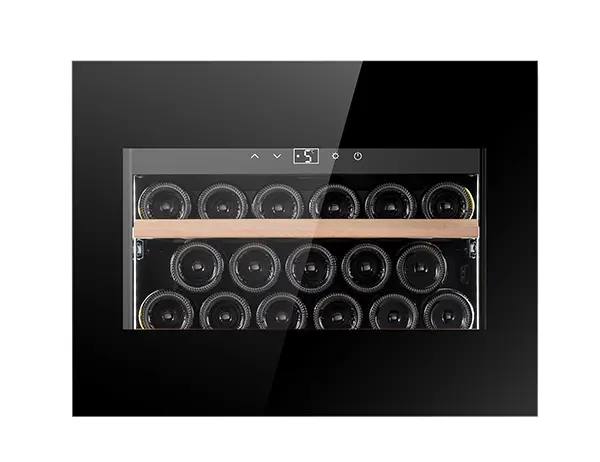
Conclusion: Finding the Best Under Counter Wine Fridge for Your Needs
Pick based on stability, fit, and durability—not hype.
Cooling consistency, proper built-in ventilation, low vibration, and a layout that fits real-world bottles are the “musts.” After that, it’s about matching the unit to your space: indoor kitchen, commercial bar, or outdoor entertaining zone.
If you’re buying for projects or a supply channel, the manufacturer matters as much as the spec sheet. SUNNAI’s angle is serving brands, distributors, hospitality projects, and homeowners with wine cooling and outdoor refrigeration options built for demanding installs—where support and repeatability aren’t optional.
FAQ
Is a 24-inch wine fridge the standard size for built-in installation?
It’s the most common built-in width because it matches standard cabinetry and appliance planning. It’s not the only size, but it’s the easiest to integrate without custom cabinet work.
What is the difference between an under counter wine fridge and a freestanding wine cooler?
Under counter units are designed for enclosed installs with front ventilation. Freestanding units often vent from the back or sides and need open space around them. Put a freestanding unit under a counter and you’re usually trapping heat, which shortens lifespan and hurts temperature stability.
What is the best 24 inch undercounter wine cooler for dual-zone storage?
The best choice is the one that holds steady temps in both zones in your actual environment, has shelves that fit your bottle mix, and is serviceable long-term. Dual-zone is worth it if you routinely keep reds and whites ready to pour—otherwise a solid single-zone can be simpler and steadier.
Can an under counter wine fridge be installed outdoors?
Only if it’s outdoor-rated (or specifically designed for harsher ambient conditions). Outdoor spaces add heat, humidity, and weather exposure that standard indoor units aren’t built to tolerate.
How many bottles can a typical 24-inch wine fridge hold?
Marketing counts often land in the ~40–50 bottle range for standard 750ml bottles, but real capacity depends on shelf layout and your bottle shapes. If you store Champagne, Burgundy, or magnums, expect the practical number to drop.