The days of storing your precious wine bottles in a cellar are long gone. Even a regular fridge does not do the job like it should. Instead, the modern specialized wine refrigerators have now become the new storage solution. They are trending up in homes, restaurants, hotels and retail environments where wine quality, consistency and presentation matter.
The demand for wine coolers is growing. People now understand that wine is sensitive. Temperature, humidity and vibration can completely change its taste and value.
Hence a standard kitchen fridge cannot serve the right purpose for wine storage. You need a proper wine fridge or cooler that is manufactured for precision and longevity by a reliable brand.
But before you go and make a purchase for a wine cooler, you must know how a wine cooler works, why it is so important for your wine storage and how it can impact the quality of your wine over time.
What Is a Wine Cooler and Why Does It Matter?
Understanding the Purpose of a Wine Refrigerator
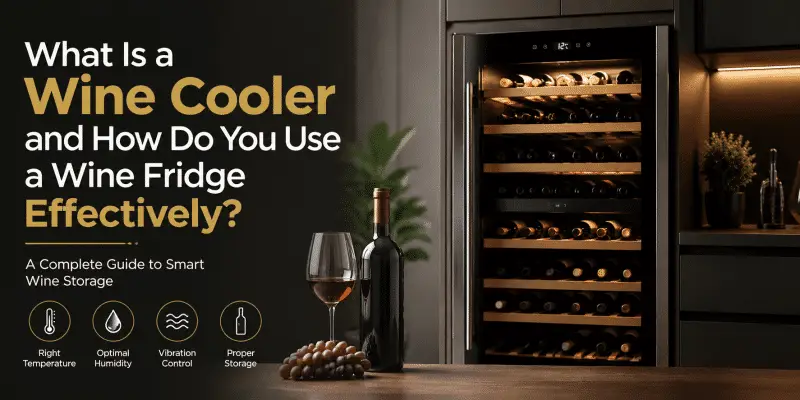
Some people have a misconception that a wine cooler is a small refrigerator. In simple terms it is. But in technical terms, it is more advanced. The wine cooler is a temperature-controlled storage system designed specifically to protect wine and preserve its quality.
Unlike regular cooling appliances, wine refrigerators are built to provide the following outcomes:
- Maintenance of stable temperature conditions
- Protection of the wine from heat damage
- Supporting the long-term aging of wine when needed
- Preservation of wine flavor, its aroma and structure.
As wine lovers, we know that wine is a living product. Even after bottling, it continues to evolve. If it is stored incorrectly, it can age too quickly or lose its intended taste profile. That is why controlled storage is essential.
Wine Refrigerator vs Traditional Refrigerator
So what is the difference between a wine refrigerator and a traditional refrigerator? At first glance, these appliances may look similar. However, if you go deeper in their performance, they are very different.
A standard refrigerator is built for food storage. It does not support wine preservation. A normal fridge often has very low temperatures so that food does not spoil. But this too cold environment can damage wine structure and slow down proper aging.
A wine refrigerator is purposely built for stability of temperature and not just maintaining extreme cooling.
Key differences include:
Wine coolers maintain a consistent temperature range suitable for wine. In regular fridges temperatures often fluctuate due to frequent opening and closing of the doors.
Wine refrigerators avoid excessive cold. Very cold conditions can harm cork integrity and alter flavor development.
Wine coolers are designed to minimize movement. The traditional fridges often generate vibrations when turned on. This can disturb sediment in aged wines.
Wine coolers help preserve cork moisture. This prevents the air from entering the bottle and damaging the wine.
Types of Wine Refrigerators Available
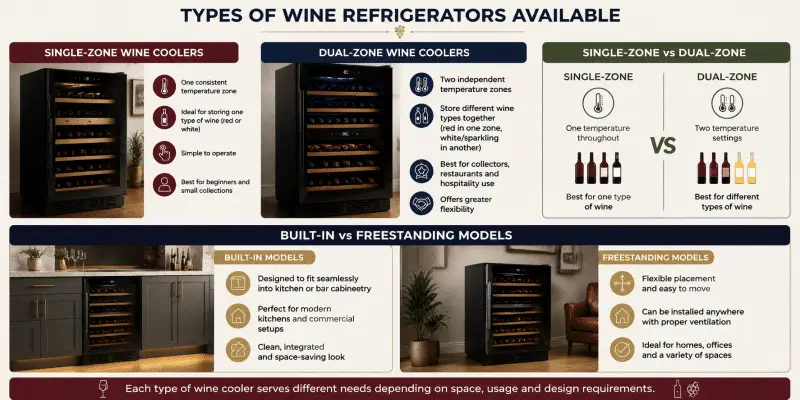
Single-Zone Wine Coolers
Single-zone wine coolers operate at one consistent temperature across the entire unit. They are best for users who store one type of wine. This could be all red or all white wines. The single zone wine cooler models are simple to operate. They are best suited for beginner wine enthusiasts or those who have small wine collections.
Dual-Zone Wine Coolers
As the name suggests, the dual-zone wine refrigerators have two zones. Hence it offers two independent temperature settings. This allows users to store different wine types in the same unit. Like you can store red wine in one zone and white or sparkling wine in another.
This flexibility makes the dual zone wine coolers best suited for mature collectors, small restaurants and hospitality environments.
Built-In vs Freestanding Models
The wine coolers also come in two installation types. The built-in models are manufactured to fit seamlessly into kitchen or bar cabinetry. They are commonly used in modern home kitchens and commercial setups where design integration is important.
The second type of wine cooler based on installation is the freestanding model. It offers flexibility in placement and mobility. It can be installed anywhere with proper ventilation.
Each type of wine cooler serves different needs depending on space, usage and design requirements.
How to Use a Wine Fridge Properly
Setting the Right Storage Temperature
Temperature control is the most important part of wine storage. This is because different wines require different conditions. For example the red wines are typically stored slightly warmer than white or sparkling wines. The later needs cooler environments to maintain freshness and acidity.
For wines the long-term storage requires stable conditions and not extreme temperatures. Additionally, the serving temperature and storage temperature are also not the same. Many wines are stored at a stable middle range and then adjusted before serving.
The key is maintenance of constant temperature for a long period and no fluctuation in between.
Organizing Bottles for Maximum Efficiency
Inside a wine cooler , thoughtful organization of the wine bottles is important. It directly affects storage stability, ease of usage and how well your wine collection performs over time. A well-organized system also helps both home users and commercial operators manage wine more efficiently.
- Proper Bottle Placement
Wine bottles should always be placed in a stable and secure position. This will avoid unnecessary movement or vibration. Inside a wine cooler, bottles are typically arranged in a way that prevents crowding. There should be consistent airflow around each bottle.
Good placement will ensure that cooling remains even across all storage levels and no bottle is exposed to uneven temperature zones.
- Horizontal Storage Advantages
Horizontal storage is the most widely recommended method for wine preservation.
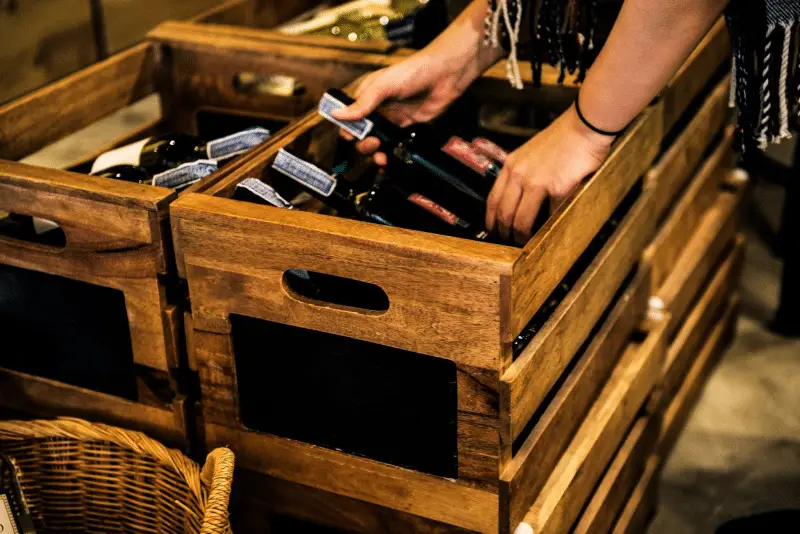
Arrange the bottles in flat lying position. In this position the cork stays in constant contact with the wine. It prevents the cork from drying out. This could otherwise allow air to enter the bottle which would impact the wine quality.
- Optimizing Available Capacity
Inside a wine cooler you should use of space efficiently. Proper spacing should be there. This will enable air to circulate freely and stabilize the cooling. At the same time, careful arrangement ensures that no storage space is wasted.
In professional setups, maximizing capacity without overcrowding is essential for maintaining both performance and accessibility.
- Collection Management Strategies
Organizing wine is a strategic process. Many users manage their collection based on usage patterns. This means separating wines for immediate consumption from those intended for aging.
This approach helps maintain clarity in inventory. It also ensures that older or more valuable bottles are not accidentally overlooked or used too early.
- Grouping Wines by Type or Aging Schedule
Grouping wines inside a cooler makes management much easier. Wines can be organized by type like red, white or sparkling or by their aging timeline.
This structure allows users to quickly locate bottles. It also helps ensure proper rotation.
- Accessibility Improvement and Inventory Tracking
An organized wine cooler improves the day-to-day accessibility and usage. When wine bottles are clearly arranged, marked and grouped it is easier to track inventory. You can identify stock levels and select the right bottle quickly.
Routine Maintenance and Best Practices
A wine cooler performs best when it is maintained regularly. Simple cleaning inside the unit helps prevent odor buildup. It can keep storage conditions stable. It is also important to monitor temperature performance occasionally. It will ensure the system is operating correctly.
If temperature fluctuations or airflow issues appear, there can be early detection. It will help prevent damage to stored wine.
Choosing the Right Wine Refrigerator for Your Needs
Capacity Planning and Usage Requirements
Choosing the right wine cooler depends on how it will be used by the user. For home users, capacity should match current collection size. There should also be some room for future expansion.
For restaurants, hotels and hospitality businesses, the storage needs are much higher. They are also often linked to service volume and menu design. Hence proper planning is required so that the system does not become overloaded or underused.
Key Features Worth Investing In
As mentioned above, there are different types of wine coolers and all of them are built with different features.
If you want to buy a wine fridge or cooler, you can look out for the following features:
- Precision temperature control for stability
- Energy-efficient cooling systems for long-term use
- Strong shelving systems that support bottle weight safely
- UV-protected glass doors to prevent light damage
- Durable insulation to maintain internal conditions
Over time, these features directly affect wine quality and system performance.
Indoor and Outdoor Wine Storage Considerations
When you are installing the wine fridge or wine cooler indoors the installation is more stable. This is because the environmental conditions can be kept controlled inside.
However, placement of the wine cooler will still be noteworthy. You need to have proper ventilation and a stable room temperature. This will improve performance significantly.
Installing the wine storage outdoors is more complex. There are factors like heat, sunlight and humidity that can change. These can affect cooling performance. For outdoor kitchens, patios or entertainment spaces, specialized refrigeration equipment is required to maintain consistent conditions.
How to Use a Wine Cooler in Commercial and Outdoor Settings
Benefits of Wine Refrigeration for Hospitality Businesses
In commercial environments and hospitality businesses buying and installing wine coolers is very advantageous. Such advanced equipment for wine storage can be useful in maintaining constant wine quality. They also improve service speed and reduce product loss.
Restaurants and hotels these days are dependent on wine refrigerators a lot. They help to ensure every bottle is served at the correct temperature in the best condition. They also support structured wine programs and improve inventory organization, making operations more efficient.
Outdoor Refrigeration and Wine Service Trends
Outdoor dining and entertainment spaces are popularizing worldwide. Hotels, resorts and private villas are spending more and more on building outdoor kitchens and creating rooftop lounges for their guests. This has created a demand for wine refrigeration systems. They want wine storage that can handle changing weather conditions and still maintain stability in storage performance.
Outdoor wine coolers resist heat fluctuations. They can maintain consistent internal temperatures despite external conditions.
SUNNAI Wine Cooler Solutions for Global Buyers
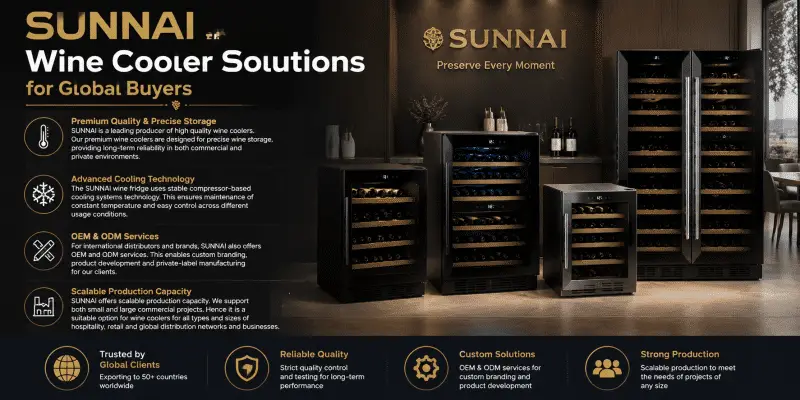
SUNNAI is a leading producer of high quality wine coolers. Their premium wine coolers are designed for precise wine storage providing long-term reliability in both commercial and private environments.
The SUNNAI wine fridge uses stable compressor-based cooling systems technology. This ensures maintenance of constant temperature and easy control across different usage conditions.
For international distributors and brands, SUNNAI also offers OEM and ODM services. This enables custom branding, product development and private-label manufacturing for their clients.
SUNNAI offers scalable production capacity. They support both small and large commercial projects. Hence it is a suitable option for wine coolers for all types and sizes of hospitality, retail and global distribution networks and businesses.
The emphasis of the company is on delivering reliable refrigeration systems. Their products meet professional wine storage standards and at the same time support modern wine service needs.
Conclusion: Why Wine Coolers Are Essential for Proper Wine Storage
A wine refrigerator is no more a luxury item. It is a specialized and dedicated wine storage system designed to protect wine quality, stability and value. Before utilizing its full potential, you need to know exactly what a wine cooler is, how it works, and how to use a wine cooler properly. Only then will you be able to make sure that every wine bottle is stored under the right conditions and served at its best.
If you want to invest, then before purchasing, you should consider various aspects of the wine cooler like capacity, temperature control, installation environment and long-term reliability.
If you are a commercial operator or distributor, you need to partner with an experienced manufacturer like SUNNAI. They are known to provide access to stable, scalable and professionally engineered wine cooling solutions that support both indoor and outdoor applications.
FAQs
How long can wine be stored in a wine fridge?
Wine can be stored in a specialized wine cooler or wine fridge for months. And even years. It mostly depends on type of wine, the cooler and how stable temperature conditions are.
Do wine refrigerators need ventilation?
Yes. There should be proper ventilation in the wine cooler so that air circulates between bottles. This will maintain cooling efficiency and prevent overheating as well.
Can wine refrigerators be installed outdoors?
Yes. However there are specialized models that are purposely designed for outdoor use. Such outdoor wine coolers can handle temperature and weather variations safely.
What features should businesses look for in commercial wine coolers?
There are many features that make a good wine cooler. These include temperature stability, durability, energy efficiency, size and reliable cooling systems. These are only some of them. The selection of the wine cooler will also depend on your requirements and usage needs.
How do I choose a reliable OEM wine cooler manufacturer?
When searching for a reliable and trusted OEM wine cooler manufacturer you should look for aspects like their production capacity, quality certifications, customization options they provide and long-term supply support provision.